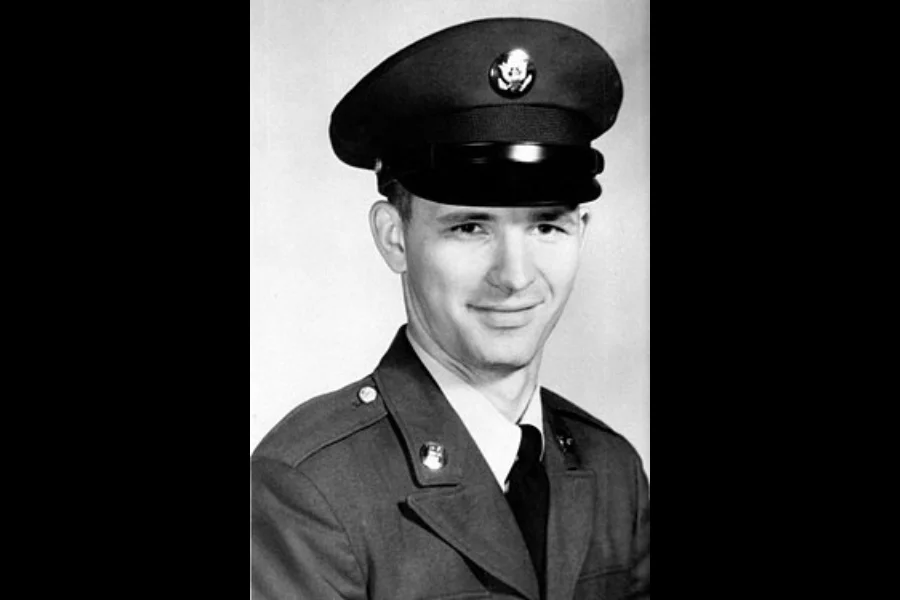
Picture the friendliest guy on your street. He waves at kids. He hands out free sweets. He fixes things around the house. He smiles a lot. Everyone likes him.
That was Dean Corll to the people of Houston, Texas.
Nobody suspected a thing.
But over three years, from 1970 to 1973, Corll carried out what became known as the Houston Mass Murders. He targeted teenage boys and young men. He worked with two teenage helpers who brought him victims. He killed at least 27 people. Some estimates reach 29 or higher.
When it all came out, America was stunned. The case rewrote the history books on serial killing. Corll became known as the worst serial killer the United States had ever seen up to that point.
This is the story of how that happened.
Quick Facts Table
| Detail | Information |
|---|---|
| Full Name | Dean Arnold Corll |
| Nickname | The Candy Man, The Pied Piper |
| Born | December 24, 1939 |
| Birthplace | Fort Wayne, Indiana, USA |
| Died | August 8, 1973 |
| Place of Death | Pasadena, Texas, USA |
| Cause of Death | Shot by Elmer Wayne Henley |
| Occupation | Factory worker, electrician |
| Known For | Houston Mass Murders (1970 to 1973) |
| Confirmed Victims | At least 27 to 29 teenage boys and young men |
| Accomplices | David Owen Brooks, Elmer Wayne Henley Jr. |
| Criminal Status | Never tried; died before arrest |
| Net Worth at Death | Modest working-class income only |
Early Life: Indiana Roots and a Broken Home
Dean Corll came into the world on Christmas Eve, 1939. He was born in Fort Wayne, Indiana. His parents were Arnold Edwin Corll and Mary Emma Robinson Corll.
From the start, the home was not peaceful. His parents fought constantly. The arguments were a regular feature of daily life. Dean was the older of two boys. His younger brother Stanley arrived a few years later.
When Dean was around seven years old, two things happened that shaped him. First, his parents separated and eventually divorced. Second, he got very sick. Doctors later found out he had suffered from rheumatic fever. The illness had gone undiagnosed. When it was finally caught in 1950, doctors discovered it had left him with a heart murmur. He was told to stay away from physical activity and gym class at school.
Being kept out of PE while other boys ran around outside did not help him fit in socially. He was already a quiet child. He had few close friends. He was sensitive to rejection. He preferred to keep to himself.
His parents tried to patch things up. They remarried in 1950 and moved the family to Pasadena, Texas. That is a suburb sitting just outside Houston. But the second attempt at marriage also failed. They divorced again in 1953.
After that second split, his mother met and married a traveling salesman named Jake West. The family packed up and moved to Vidor, Texas. A half-sister named Joyce was born there. Jake and Mary started a small candy-making business out of their garage. It started small. It would grow. And it would eventually give Dean his famous nickname.
School Years: Quiet, Polite, and Playing Trombone
Dean went to Vidor High School from 1954 to 1958. By every account from teachers and classmates, he was a decent student. He stayed out of trouble. He kept his grades at an acceptable level. He did not stand out in any alarming way.
His one big interest at school was the brass band. He played the trombone. It gave him somewhere to belong. Music was his thing.
He occasionally went on dates with girls during his teenage years. He was not entirely withdrawn. But he never built deep friendships. He remained on the edges of social groups rather than at the center.
He graduated in the summer of 1958 without fanfare.
After graduation, the family moved the candy business closer to Houston. The city was where most of their customers were. The shop was renamed Pecan Prince. Dean worked there and helped his mother run things.
In 1960, at his mother’s request, he went back to Indiana for roughly two years. He stayed with his widowed grandmother in the small town of Yoder. While there, he developed a close bond with a local woman. She reportedly proposed marriage to him in 1962. He turned her down. Then he returned to Houston to help with the growing candy business.
The Candy Company and the Warning Signs Nobody Acted On
Back in Houston by 1962, Dean threw himself into the family business. His mother renamed it the Corll Candy Company. She gave Dean the title of vice president. His brother Stanley took a secretary-treasurer role.
The shop was located in a part of Houston called Houston Heights. It became a community fixture. Kids from the neighborhood came in regularly. Corll was friendly with them. He offered free sweets. He set up a pool table in the back of the shop where young employees and their friends could hang out.
But behind this friendly scene, something was wrong.
At least one teenage male employee complained to Mary Corll that Dean had made unwanted sexual advances toward him. Mary’s response was to fire the teenager who complained, not her son. That was the end of it.
No one connected the dots. The warning sign was buried.
Corll was building relationships with local boys. He gave them candy, money, and attention. One of those boys was a 12-year-old named David Owen Brooks. Brooks came from a troubled background. Corll zeroed in on him.
Over the next couple of years, Corll groomed Brooks through a slow process of gifts and trust-building. By the time Brooks was a young teenager, Corll was sexually abusing him. He used money and gifts to keep the boy quiet and compliant. Brooks eventually stopped being just a victim. He became something far more disturbing.
Military Service and a Discharge
In August 1964, Dean Corll was drafted into the United States Army. He reported to Fort Polk, Louisiana. He served in a radio repair capacity.
He did not last long in the military. He applied for a hardship discharge, claiming his mother needed him to help run the family business. The Army granted it. He was out by 1965 after serving roughly ten months.
There are accounts suggesting that Corll found military life deeply uncomfortable. Some reports indicate he disclosed his homosexuality while serving, which contributed to his desire to leave. Whatever the exact reason, he returned to Houston with an honorable discharge and went back to his old world.
The candy company did not survive much longer. Mary Corll eventually closed it down and moved to Colorado with her new partner. Dean stayed in Houston. He found work as an electrician for Houston Lighting and Power.
He was now living alone. He had his own apartment. He was in his late twenties. And the worst period of his life was about to begin.
The Houston Mass Murders: Three Years of Terror
Between September 1970 and August 1973, Dean Corll kidnapped, tortured, and killed a minimum of 27 young men and teenage boys. Some investigations have placed the real number closer to 29. A few researchers believe it could be even higher.
His victims were mostly aged between 13 and 20. Many came from the same Houston Heights neighborhood where the candy shop had once stood. They were kids who knew the area. Some of them had even met Corll before.
Corll used the same trick repeatedly. He offered rides, drinks, and parties. He invited boys to his home with promises of a fun night. Once they were inside, he overpowered them.
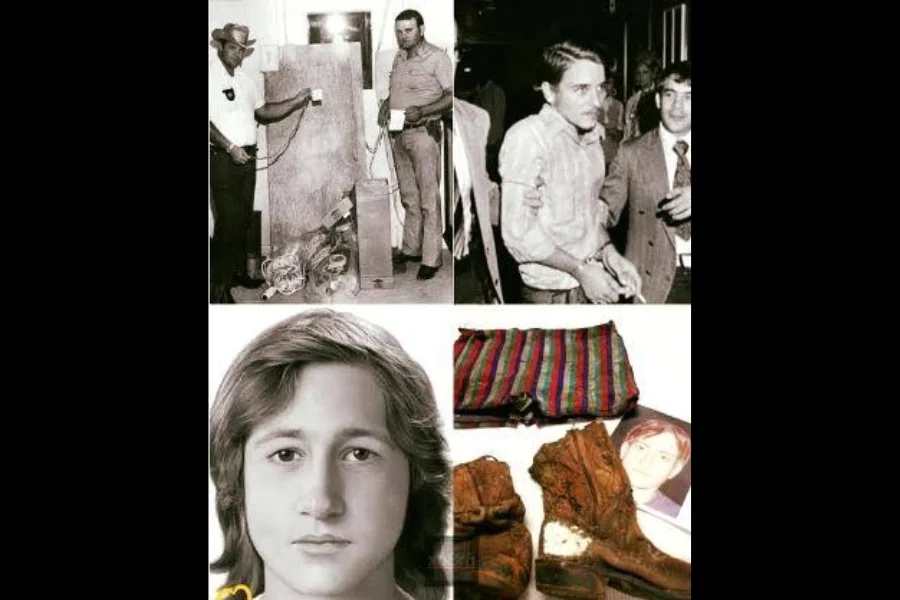
He used a homemade plywood board fitted with restraints. He kept victims tied to this board for extended periods. He sexually assaulted them. Then he killed them. His preferred methods were strangulation and shooting with a .22 caliber pistol.
He hid the bodies in several locations. Most went into a rented boat shed outside Houston. Others were buried in woods near Sam Rayburn Lake. Some were placed on beaches, including on the Bolivar Peninsula.
He changed apartments frequently during this period. Sometimes he moved after only a few weeks in one location. It was a way to avoid scrutiny.
David Brooks and Elmer Wayne Henley
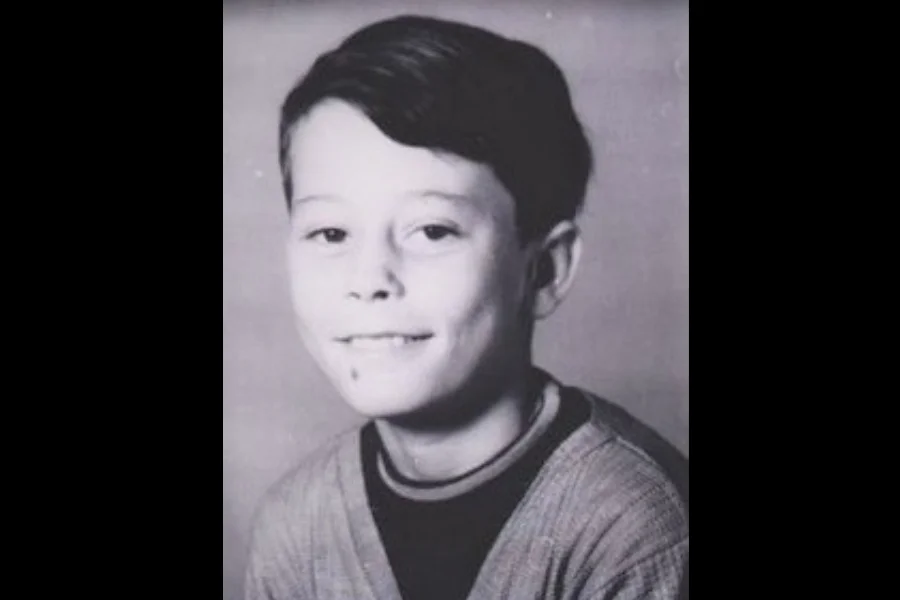
Corll did not work entirely alone. He used David Brooks as his first accomplice. Brooks had been groomed for years. He believed he was part of some kind of operation. Corll gave him money and a car to stay quiet and help recruit.
Later, Brooks brought in another teenager named Elmer Wayne Henley Jr. Henley was around 15 when he entered the picture. Corll persuaded both boys that they were being paid to bring other teens to him for a supposed network involving pornography or a sex ring.
Both Brooks and Henley helped lure victims. They approached boys they knew from the neighborhood, from school, from the streets. They offered them a party. They delivered them to Corll.
At some point, both teens became aware that Corll was killing the boys. They continued helping anyway. By their own later testimony, they received payment and access to alcohol and drugs. The operation continued because both boys were deeply enmeshed in it.
The Night It Ended: August 8, 1973
On August 8, 1973, Elmer Wayne Henley brought two people to Corll’s home in Pasadena. One was a young man named Timothy Kerley, who Henley intended to offer to Corll as a victim. The other was a girl named Rhonda Williams, a friend of Henley’s. He had brought her along on impulse after finding her in distress at her home.
Corll was angry that a girl had been brought along. He felt it changed things.
The three young people spent time at the house drinking and inhaling paint fumes. They passed out. When they woke up, they were tied up. Corll had restrained all three of them, including Henley.
Corll told Henley he was going to kill all of them.
Henley begged. He talked Corll into releasing him. He promised to take part in what Corll had planned for the others. Corll agreed and untied him. He handed Henley a gun.
What happened next shocked everyone.
Henley turned the gun on Corll. He fired six shots. Corll fell to the floor in his hallway and died.
Henley then freed the other two and called the police himself.
He was 17 years old.
What Police Found
When investigators arrived, Henley led them to the boat shed. The scale of what they uncovered there was staggering. Remains of 18 victims were recovered from the shed floor. More were found at three other burial sites across the region.
By the end of the initial search, the remains of 27 young men had been located. The victims ranged from 13 to 20 years old. Many had been missing for months or years. Their families had been searching for them with no answers.
The discovery triggered massive media coverage. Reporters flew in from across the United States and from other countries, including Japan and Pakistan. The case even drew the attention of author Truman Capote, who traveled to Houston to learn more.
At the time, it was the worst serial murder case ever recorded in American history. That record held until 1978 when cases involving Ted Bundy and John Wayne Gacy emerged with higher confirmed body counts.
Gacy, it later came out, reportedly admired Corll. He studied the Houston case. Some accounts say Corll’s methods directly inspired elements of Gacy’s own crimes.
The Accomplices: Trials and Sentencing
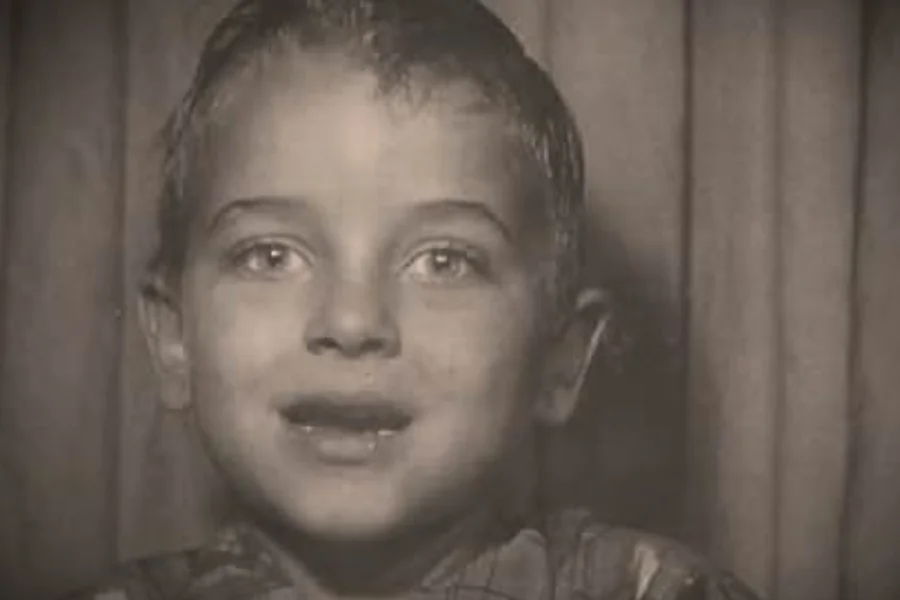
Elmer Wayne Henley and David Brooks were both charged and tried.
Henley was tried and convicted multiple times on multiple murder charges. He received several life sentences. He has sought parole repeatedly over the decades and has been denied each time. He remains in a Texas prison.
Brooks was also convicted of murder and received a life sentence. He died in prison in 2020.
Neither man faced the death penalty at the time due to the legal circumstances of Texas law and the nature of their cases.
Dean Corll’s Personal Life and Relationships
Corll never married. He had no children. He lived alone through most of his adult life.
In his teenage and early adult years, he dated girls occasionally. But those relationships were surface-level and brief. He rejected a marriage proposal from a woman he was close to in Indiana.
He was privately homosexual. This was not something he disclosed openly, particularly in the conservative Texas communities where he lived. Some accounts suggest he had at least acknowledged it to himself and to others in limited settings, including possibly during his military service.
He had no close adult friendships of note. His social world revolved almost entirely around teenage boys, which was itself a red flag that no one recognized at the time.
He was known to be polite and personable with adults. Neighbors liked him. Coworkers at the electrical company found him to be a decent colleague. Nobody saw what was happening behind closed doors.
Financial Picture: A Working-Class Life
Dean Corll was not wealthy. He was a working-class man who earned a regular salary as an electrician. He had no savings of significance and no assets worth noting. The family candy business had not made anyone rich.
He spent money on renting apartments, buying alcohol and drugs to use with his victims, and paying his accomplices. He purchased a car for David Brooks. He handed cash to Henley and Brooks in exchange for victims.
He owned a white van that police found parked at his home after his death. Inside, they found tools and materials connected to his crimes.
His net worth at the time of death was essentially zero in any meaningful financial sense. He left nothing behind except horror and unanswered questions.
Legacy and Ongoing Investigations
Dean Corll died in 1973 at age 33. He was never charged, tried, or convicted of anything because he was killed before police became involved.
His case forced the United States to confront serious gaps in how missing teenagers were tracked and investigated. In the early 1970s, there was no coordinated national system for missing children. Police often dismissed teenage boys as runaways rather than investigating their disappearances. Corll exploited that gap repeatedly.
The case helped push for reform in how law enforcement handles missing person reports, particularly for minors.
Decades after the murders, families and investigators still believe there are unidentified victims. A Texas-based nonprofit organization called Texas EquuSearch has led efforts to search for additional remains at known burial sites. As recently as the early 2020s, those efforts were still ongoing.
Some victims were not identified until years or even decades after the initial discovery. DNA technology has allowed investigators to match remains to families who spent a lifetime not knowing what happened to their sons.
The true number of Corll’s victims may never be fully known.
What He Was Doing at the Time of His Death
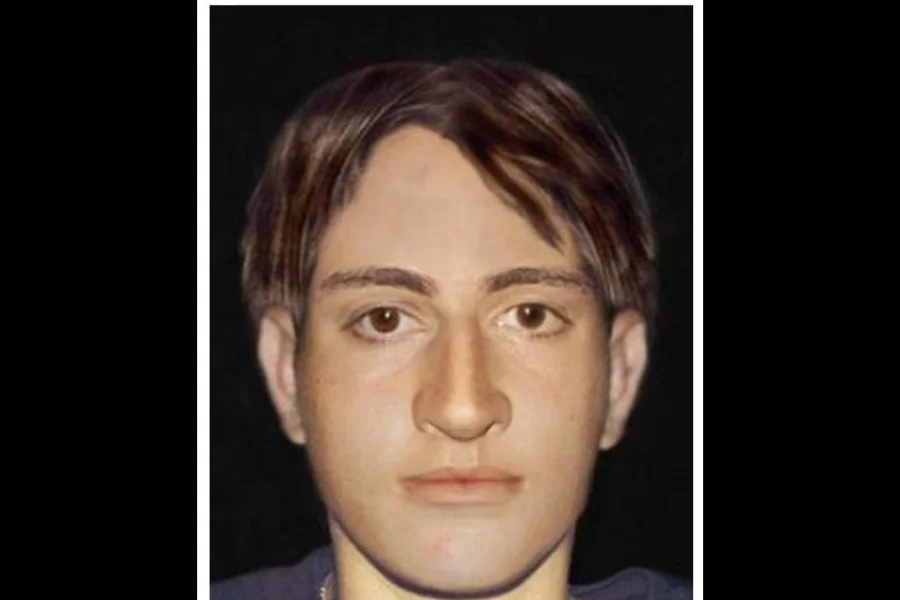
At the time of his death in August 1973, Corll was working as an electrician in Pasadena, Texas. He was 33 years old. He had been killing for three years. He showed no outward signs of slowing down.
In fact, the night he died, his plan had been to continue his pattern. Henley’s unexpected act of violence ended everything.
Corll had no criminal record before his death. He had never been arrested. He had no convictions of any kind. To the outside world, he was a regular working man.
Also read: MacKenzie Scott
FAQs
1. Why was Dean Corll called the Candy Man?
His family owned a candy company in Houston Heights. He was well known in the neighborhood for giving free sweets to local children. The nickname came from that association.
2. How many people did Dean Corll kill?
Official investigations confirmed at least 27 victims. Some counts go to 29. Researchers and investigators have long suspected the actual number may be higher, but a definitive total has never been established.
3. Who killed Dean Corll?
His teenage accomplice Elmer Wayne Henley shot him on August 8, 1973. Henley fired after Corll threatened to kill him and two other young people who were present.
4. Did Dean Corll ever face trial?
No. He was killed before police became involved. He was never arrested, charged, or tried for any crime.
5. Who were his accomplices?
David Owen Brooks and Elmer Wayne Henley Jr. Both were teenagers when they began helping Corll. Both were later convicted of murder and sentenced to life in prison.
6. Where were the victims buried?
Most were found in a rented boat shed. Others were at woodland sites near Sam Rayburn Lake and on beaches including the Bolivar Peninsula.
7. How did the crimes stay hidden for so long?
There was no centralized missing children system at the time. Police frequently dismissed teenage boys as runaways. The community trusted Corll. All of these factors let him operate undetected for three years.
8. What happened to Elmer Wayne Henley?
He was convicted and given multiple life sentences. He has applied for parole many times over the decades and has been refused each time. He is still imprisoned in Texas.
9. What happened to David Brooks?
He was also convicted and sentenced to life in prison. He died while incarcerated in 2020.
10. Did John Wayne Gacy really study Corll?
Yes. Multiple accounts and investigative reports indicate that Gacy researched the Houston Mass Murders. Some of Gacy’s methods are believed to have been directly influenced by what Corll had done.
11. Are there still unidentified victims from the case?
Yes. As of the early 2020s, efforts were still ongoing to identify remains using modern DNA technology. Some families have only recently been given closure through these advances.
12. What was Dean Corll’s day job?
He worked as an electrician for Houston Lighting and Power during the time he was committing his crimes. His coworkers had no idea what he was doing outside of work.
Also read: Fielder Jewett