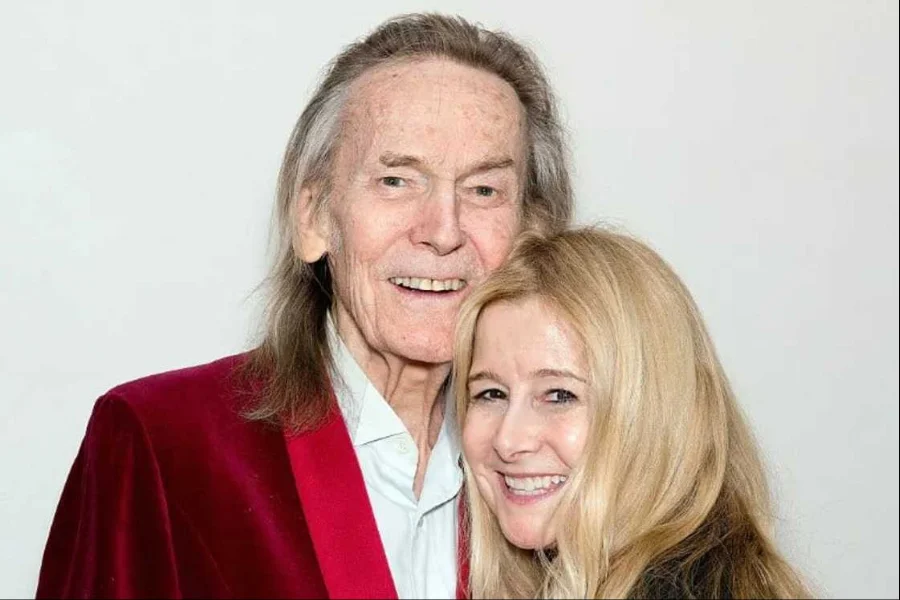
Brita Ingegerd Olaisson was a Swedish woman who moved abroad as a young adult, ended up in Canada, and married a man who would become one of the biggest names in folk music. That man was Gordon Lightfoot.
She is not in history books for her own achievements. There is no award she won, no business she ran, no public office she held. But her life still matters, because it gives us a window into the early years of a famous artist, and because she lived a full life of her own, even if most of it stayed private.
Her story is also a reminder that behind every famous person, there are real people. Real spouses. Real kids. Real struggles. Brita lived through a high-profile divorce, raised two children, and quietly built a life in Canada that lasted decades after her marriage ended.
Quick Facts Table
| Category | Details |
|---|---|
| Full name | Brita Ingegerd Kristina Olaisson |
| Born | 1935 |
| Birthplace | Sweden |
| Died | June 8, 2005 |
| Place of death | Scarborough, Ontario, Canada |
| Spouse | Gordon Lightfoot (married April 1963, divorced 1973) |
| Children | Fred Lightfoot and Ingrid Lightfoot |
| Grandchildren | Amber, Johnny, and Ben |
| Known for | Being the first wife of singer-songwriter Gordon Lightfoot |
| Net worth | Not publicly documented |
| Current status | Deceased since 2005 |
Early Life: Growing Up in Sweden
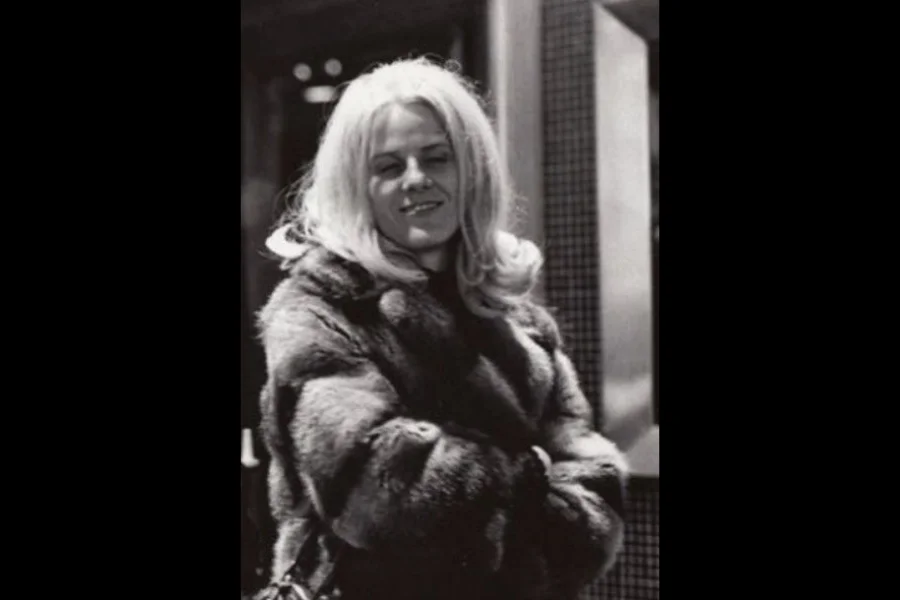
Brita Ingegerd Olaisson was born in 1935, in Sweden. Beyond that single fact, very little is documented about her childhood.
We do not know which city or town she grew up in. We do not know her parents’ names. We do not know if she had brothers or sisters. We do not know what her family did for work, or what her home life looked like.
This is common for people born in the 1930s who later moved to a different country and were not famous in their own right. Records from that era, especially for ordinary families, were not always kept or digitized. Sweden in the 1930s and 1940s was going through major changes, including the years surrounding World War Two, even though Sweden itself stayed neutral.
What we can guess is that Brita grew up during a time of rebuilding and change in Europe. Many young Swedes in the post-war years looked outward, toward other countries, for jobs, education, and new experiences. That seems to be part of what eventually led her across the ocean.
School and University Life: An Unclear Chapter
Just like her childhood, Brita’s education is not well documented. We do not have a record of which schools she attended in Sweden. We do not know if she went to university at all.
What we do know is that by the time she was a young adult, she had skills that allowed her to work abroad. At some point, she made the decision to leave Sweden and move to Canada. One reported reason for this move was to learn English. This suggests she may have had some education or training that pointed her toward international work, even if the details were never recorded publicly.
Learning a new language by moving to a new country was a common path for young Europeans during this period. It took courage. It meant leaving behind everything familiar, friends, family, and a home country, to start fresh somewhere new.
So while we cannot point to a specific school or degree, we can say this. Brita was someone willing to take a big leap. That alone tells us something about her character.
How Her Story Became Known: Moving to Canada
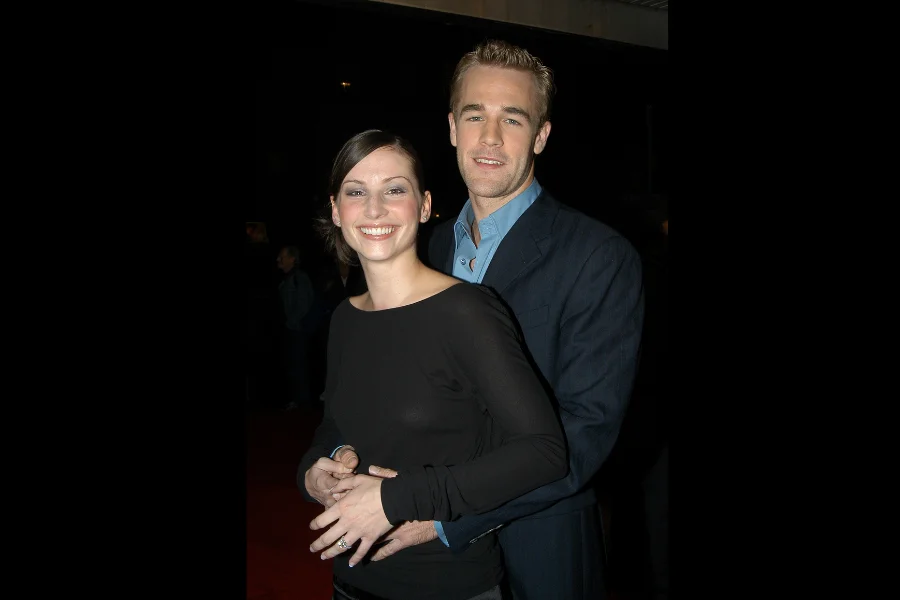
Brita’s move to Canada is the turning point where her story starts to connect with a much bigger one. She took a job working in Toronto, at an office connected to a company called M.P. Hofstetter.
It was during this period in Canada that she met Gordon Lightfoot. At the time, Lightfoot was a young musician, still building his career. He had not yet become the household name he would later be, known for songs that would top charts and stay popular for decades.
The two of them connected. Their relationship moved forward, and eventually, they decided to get married. The wedding took place in April 1963, in Stockholm, Sweden, Brita’s home country.
This timing matters. Lightfoot’s career was just beginning to grow during these years. So Brita was there during some of his earliest steps as a professional musician, long before most of the world knew his name.
Biggest Moments: A Marriage, a Family, and a Public Divorce
For Brita, the biggest moments of her life were tied closely to her marriage and family.
Getting married in Stockholm in 1963 was clearly a major life event. It marked the start of a new chapter, one that would take her back across the Atlantic to build a life in Canada with her new husband.
The births of her two children, a son named Fred and a daughter named Ingrid, were likely the most meaningful moments of her life. Becoming a mother, especially while living far from her home country and extended family, would have been a huge shift.
There is also another kind of “moment” in Brita’s story, one she likely never wanted. As Gordon Lightfoot‘s fame grew through the 1960s and into the early 1970s, the end of their marriage became public news. Divorces involving famous people often become headlines, even when the people involved would rather keep things private. For Brita, this meant that one of the hardest moments of her life played out, at least partly, in public view.
Love Life, Marriage, and Family
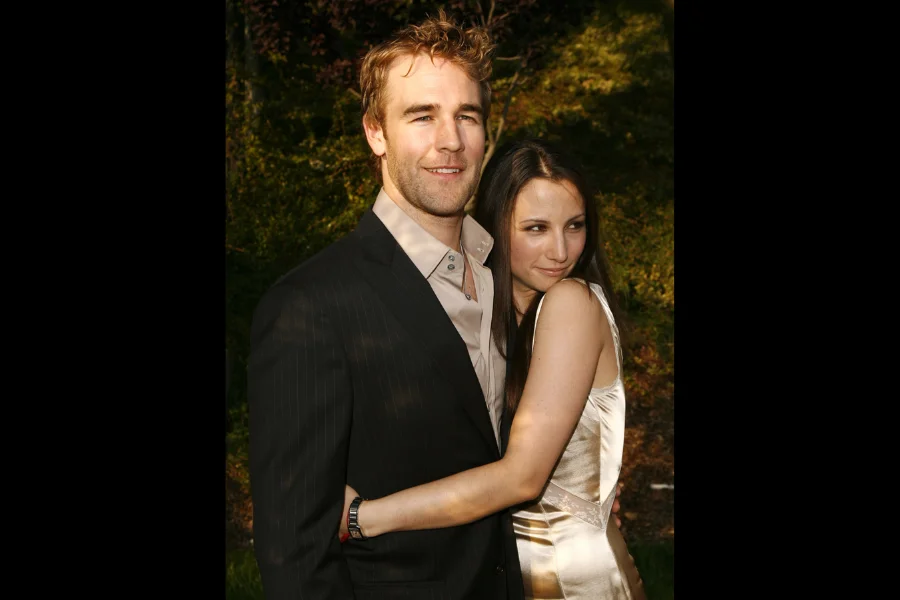
Brita Ingegerd Olaisson married Gordon Lightfoot in April 1963, in Stockholm. At the time, she had already relocated to Canada for work, and the relationship had developed from there.
The marriage lasted about ten years. During that time, the couple had two children. Their son, Fred, and their daughter, Ingrid, were both born during the marriage.
By the early 1970s, the marriage was under strain. Gordon Lightfoot’s career involved a lot of touring, which meant long stretches of time apart. Reports describe this as a major factor in the relationship’s breakdown. Lightfoot himself later spoke about the toll his choices took on the marriage, acknowledging that his behavior during this period caused real harm.
The couple officially divorced in 1973. As part of the divorce, Brita received custody of their two children. She also received financial support, reportedly including a monthly amount and a sum set aside for housing. For the time, this was a significant settlement, and it gave Brita the means to build a stable life for herself and her children after the marriage ended.
Even after the divorce, there seems to have been a lasting respect between the two former spouses. Lightfoot later described Brita in warm terms, calling her a genuinely good and strong person, someone he had worked alongside through much of his twenties.
Later in life, Brita became a grandmother. Her grandchildren were named Amber, Johnny, and Ben. This tells us that both of her children went on to have families of their own, and that Brita lived long enough to know her grandchildren.
Struggles and Hard Times
Brita’s life included some genuinely difficult chapters. Moving to a new country as a young woman, away from family and everything familiar, would not have been easy, even if it was also exciting.
Then there was the marriage itself. Being married to a touring musician means long periods of separation. That kind of lifestyle puts enormous pressure on a relationship, especially when young children are involved. Brita raised two kids largely on her own during the years when Lightfoot was away building his career.
The divorce itself was a hard time too, made harder by the fact that it became public knowledge. In the early 1970s, a divorce involving a well-known Canadian musician was the kind of story that newspapers picked up. For Brita, this meant that a painful, personal moment in her life was discussed in public, something most people never have to deal with.
After the divorce, Brita had to rebuild her life as a single mother in a country that was not originally her own. She had to raise two children, manage a household, and create a sense of normal life after a very public split.
There is also the matter of her later years and her passing. Brita died on June 8, 2005, at Scarborough General Hospital, in her seventieth year. While the exact details of her health in her final years are not widely documented, her passing marked the end of a life that had spanned two continents, a famous marriage, and decades of quiet family life afterward.
Money and Net Worth: What We Actually Know
There is no publicly tracked net worth for Brita Ingegerd Olaisson. She was not a businesswoman, a public figure with endorsements, or someone whose finances were ever reported in detail by financial outlets.
What we do know relates to her divorce settlement. Reports describe that, as part of the 1973 divorce, Brita received custody of the children along with ongoing financial support. The numbers mentioned in some accounts include a monthly support payment in the thousands of dollars, along with a separate sum meant to help with housing.
For the early 1970s, these numbers represented a solid financial foundation. They would have allowed Brita to support herself and her two children without needing to rely entirely on her own income, at least for some time after the divorce.
Beyond that settlement, there is no information about her income, savings, property, or overall financial picture in the years that followed. It is likely that, like most people, her finances were a private matter that simply was never recorded for public view.
So if someone asks “What was Brita Olaisson’s net worth?”, the honest answer is that no figure exists. What we can say is that her divorce settlement gave her a reasonable starting point to build a stable life after 1973.
What Is She Doing Now?
This section is different from a typical biography, because Brita Ingegerd Olaisson passed away in 2005. So the honest answer to “what is she doing now” is nothing, because she is no longer alive.
But we can talk about her legacy. Her children, Fred and Ingrid, carried her name and her memory forward. Her grandchildren, Amber, Johnny, and Ben, represent the continuation of her family line.
In a broader sense, Brita’s story continues to come up whenever people research the early life of Gordon Lightfoot. Biographies, interviews, and articles about his career sometimes mention his first marriage, and through that, Brita’s name resurfaces, even decades after her passing.
It is a strange kind of legacy. Not built on her own public achievements, but on her role in someone else’s story, and on the family she raised. For many people, that kind of legacy, children, grandchildren, a life lived fully even if quietly, matters just as much as fame ever could.
A Final Thought

Brita Ingegerd Olaisson’s life was not loud. She did not chase headlines. She moved across the world, got married, had kids, went through a hard divorce that became public against her wishes, and then quietly rebuilt her life.
Her former husband went on to become one of the most celebrated songwriters in Canadian history. But Brita’s own chapter, as a mother, as a grandmother, and as someone who lived through real hardship with apparent strength, deserves to be remembered too.
ALso Read: Ludlow Ogden Smith
FAQs
1. Who was Brita Ingegerd Olaisson?
She was a Swedish-born woman who became the first wife of Canadian singer-songwriter Gordon Lightfoot.
2. When and where was Brita Ingegerd Olaisson born?
She was born in 1935, in Sweden.
3. When did Brita marry Gordon Lightfoot?
They married in April 1963, in Stockholm, Sweden.
4. Why did Brita move to Canada?
Reports say she moved to Canada partly to learn English while working at a Toronto office.
5. Did Brita and Gordon Lightfoot have children?
Yes. They had two children, a son named Fred and a daughter named Ingrid.
6. How long did the marriage last?
The marriage lasted about ten years, ending in divorce in 1973.
7. Why did the marriage end?
Reports point to the pressures of touring and personal issues during the marriage as major factors.
8. What happened in the divorce settlement?
Brita received custody of the children along with financial support, including a monthly payment and money set aside for housing.
9. Did Brita and Gordon Lightfoot stay on good terms after the divorce?
It appears so. Lightfoot later spoke of her with respect and described her as a strong, good person.
10. Did Brita have grandchildren?
Yes. Her grandchildren were named Amber, Johnny, and Ben.
11. When did Brita Ingegerd Olaisson pass away?
She died on June 8, 2005, at Scarborough General Hospital in Ontario, Canada.
12. What is Brita Ingegerd Olaisson’s net worth?
There is no publicly documented net worth for her, though her 1973 divorce settlement was described as significant for the time.
Related post: Kerri Browitt Caviezel