
You probably know baseball players for their home runs. Billy Beane is famous for the opposite reason. He was a mediocre player. But he became one of the most important minds in the history of the sport. He looked at baseball and saw it all wrong, the old way, and he decided to fix it with numbers instead of gut feelings. That idea turned into a book, then a movie, then a whole new way that every sport on earth thinks about talent. Coaches in basketball use his ideas now. So do soccer clubs in Europe. So do hiring managers in regular offices who have never watched a single inning of baseball. That is how far this story reached.
Quick Facts Table
| Category | Detail |
|---|---|
| Full name | William Lamar Beane III |
| Born | March 29, 1962, in Orlando, Florida |
| Height | 6 feet 4 inches |
| High school | Mt. Carmel High School, San Diego |
| College | University of California, San Diego (Economics) |
| Drafted by | New York Mets, first round, 1980 |
| MLB playing years | 1984 to 1989 |
| Teams played for | Mets, Twins, Tigers, Athletics |
| Career batting average | .219 |
| Became Athletics GM | 1997 |
| Famous for | The “Moneyball” approach to baseball |
| Book about him | Moneyball by Michael Lewis, 2003 |
| Movie about him | Moneyball, 2011, starring Brad Pitt |
| Kids | Casey, plus twins Brayden and Tinsley |
| Current role | Senior advisor and minority owner, Oakland Athletics |
| Estimated net worth | Around $20 million |
Where He Was Born and How He Grew Up

Billy was born on March 29, 1962, in Orlando, Florida. His dad served in the Navy, and that meant the family moved around a lot during his early years. They eventually landed in San Diego, California, and that city became the real backdrop of his childhood.
His father taught him how to throw a baseball when he was just a small kid. From there, sports became the center of his world. By the time he hit his young teenage years, something strange happened. He shot up in height fast. He stood taller than his own dad while he was still in middle school. Coaches noticed him right away because of his size and his arm.
He was not just a baseball kid either. He played quarterback on the football team. He was the top scorer on the basketball team too. Teachers and coaches around him figured he was destined to be a professional athlete in some sport, somehow. Nobody guessed it would be baseball that made him famous, and definitely not in the way it eventually did.
His School and University Life
Billy went to Mt. Carmel High School in San Diego. He was the kind of kid every scout dreamed about. Tall, strong, fast, and gifted in three different sports at once. Scouts started showing up at his games before he had even finished high school. That kind of attention rarely happens to a teenager, and it changes how people treat you.
Stanford University actually offered him a scholarship to play baseball there. That is a huge deal. Stanford is one of the best schools in the country, and their baseball program is elite too. But then the New York Mets came calling with something that felt more tempting to an eighteen year old. They picked him in the first round of the 1980 MLB Draft. He chose the pro contract over the college scholarship.
Years later, after his playing days ended, he went back to school. He studied economics at the University of California, San Diego. Think about that for a second. A former first round baseball pick chose to sit in an economics classroom. That choice mattered more than anyone realized at the time. The way he learned to think about numbers, value, and risk in those classes would later show up directly in how he ran a baseball team.
How His Career Started and How He Became Known
Here is the part of the story most people get wrong. They think Billy Beane was a great player who naturally became a great executive. That is not what happened at all.
The Mets drafted him in 1980 with huge expectations. Scouts thought he had it all. Size, speed, a strong arm, raw power. On paper he looked like a future All Star. But baseball does not work on paper. He struggled to translate his physical gifts into consistent results on the field. He bounced around the minor leagues for years.
He finally made his major league debut on September 13, 1984, with the Mets. From there his career became a tour of different teams and different uniforms. He played for the Mets, then the Minnesota Twins, then the Detroit Tigers, then the Oakland Athletics. He bounced between the majors and the minors more than once. His final MLB stat line tells the real story. A batting average of .219, with only 3 home runs across parts of six seasons. For a guy who scouts once compared to a future superstar, that was a quiet, almost forgettable playing career.
By 1989 and 1990, Billy realized something important about himself. He was smart enough to know his playing days were basically over. Instead of clinging to a fading dream, he made a decision that changed everything. He asked the Oakland Athletics for a job in their front office instead of one more shot as a player. They said yes, and in 1990 he became an advance scout for the team.
That decision is the real beginning of the Billy Beane story everyone actually cares about.
How He Became Known: The Rise to General Manager
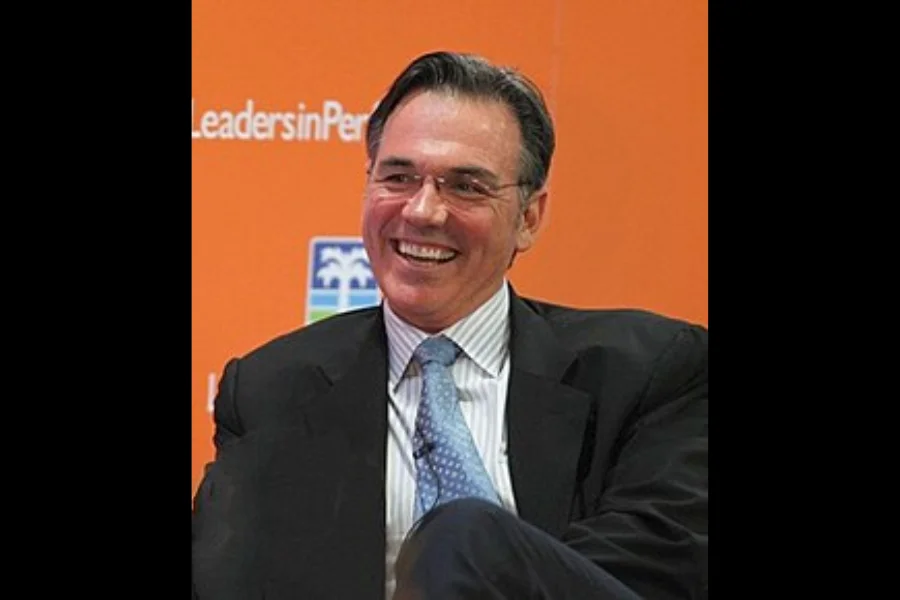
Working under a sharp executive named Sandy Alderson, Billy slowly climbed the ladder inside the Athletics organization. Alderson was already experimenting with newer, more statistical ways of judging baseball talent, and Billy soaked it all in. He moved from scout to assistant general manager, learning the business side of the sport from the inside.
This is where his economics background and his years of watching talented players fail started to merge into something new.
Oakland had a serious problem. They were one of the poorest teams in baseball, money wise. Big market teams like the Yankees could spend ten times more on player salaries. Old school baseball logic said the rich teams should win almost every year because they could buy the best players. Billy refused to accept that as a fixed rule.
He teamed up with a young analyst named Paul DePodesta, who had a sharp mind for statistics. Together they started looking past the traditional stats that scouts had used for a hundred years, things like batting average and how a player looked running or swinging. Instead they focused on numbers that actually predicted winning, especially something called on base percentage. They went hunting for players that other teams had overlooked or undervalued, guys who got on base a lot but did not look flashy doing it.
It sounds simple now. At the time, it was radical. Old school scouts hated it. Many people in the sport mocked the idea publicly.
His Biggest Wins, Awards, and Defining Moments
The results spoke for themselves pretty quickly. Despite a tiny payroll compared to nearly every other team in the league, the Athletics became one of the most consistently competitive teams in baseball under Billy. Over his years running the team, Oakland captured six American League West division titles and made eight separate playoff appearances. The team posted a winning percentage above .500 across his tenure, which is remarkable when you remember how little money they had to spend compared to rivals.
The 2002 season became the most famous chapter of all. That year the Athletics won 103 games. Along the way they won twenty straight games in a row, an incredible streak that grabbed national attention. They pulled this off even after losing one of their best hitters, Jason Giambi, to a rival team that simply paid him more money. Two lesser known players, David Justice and Scott Hatteberg, became key pieces of that winning formula by getting on base constantly, exactly the kind of value Billy’s system was built to find.
That same season, author Michael Lewis spent time embedded with the team, studying how Billy and his staff actually made decisions. The result became the book Moneyball: The Art of Winning an Unfair Game, published in 2003. The book turned Billy into a household name far outside the world of die hard baseball fans. It explained, in plain language, how a smart system could beat a rich one.
In 2011 the book became a movie. Brad Pitt played Billy Beane on the big screen, alongside Jonah Hill playing a character based loosely on Paul DePodesta. The film earned multiple Oscar nominations and introduced Billy’s story to millions of people who had never followed a single Athletics game.
After that 2002 season, the Boston Red Sox tried to hire him away with a record breaking contract offer worth millions of dollars, reportedly around $12.5 million, which would have made him the highest paid executive in baseball at the time. Billy turned it down and stayed in Oakland. That decision became almost as famous as his analytics work, because it showed loyalty and personal priorities mattered more to him than chasing the biggest paycheck.
Over the years, Billy also picked up real hardware for his work. He won the MLB Executive of the Year Award in 2018. He was named Sporting News Executive of the Year three separate times, in 1999, 2012, and 2018. Baseball America also handed him their Executive of the Year honor twice, in 2002 and 2013.
His Love Life, Marriage, and Family

Billy’s personal life has stayed mostly private, especially compared to how famous his professional story became. He was married once early in his adult life, and that marriage produced a daughter named Casey. Casey is actually a meaningful figure in the Moneyball story itself, because Billy’s relationship with her was shown as one of the quiet emotional threads running underneath all the business decisions in both the book and the film. She has largely kept her own life out of the public eye as an adult.
Later, Billy married Tara Beane, and the two have remained together for decades. They had twins together, a son named Brayden and a daughter named Tinsley, born in January 2008. By most accounts, Billy has tried to keep his family life shielded from the spotlight that followed his career, choosing to let his work speak publicly while keeping his home life private.
The Struggles and Hard Times He Faced
It would be easy to assume Billy’s life was a straight line from talented kid to baseball genius. It was not. His playing career was honestly a disappointment by the standards everyone set for him as a teenager. Scouts projected stardom. Instead he got traded multiple times, shuffled between the majors and minors, and finished with a batting average barely above .200. That kind of gap between expectation and reality can break a young athlete’s confidence completely.
There was also real personal struggle behind his decision to walk away from playing. Watching less gifted teammates outperform him, despite all his physical advantages, forced him to confront something painful. Physical talent alone was not enough, and he had to rebuild an entire identity around a different skill, one that had nothing to do with how a player looked swinging a bat.
His early years running the Athletics also brought public criticism. Plenty of respected scouts and former players openly mocked the statistical approach he championed, calling it a gimmick or an insult to real baseball knowledge. He had to keep defending an unpopular idea for years before the results finally silenced most of the doubters.
His Money Situation, Explained Simply
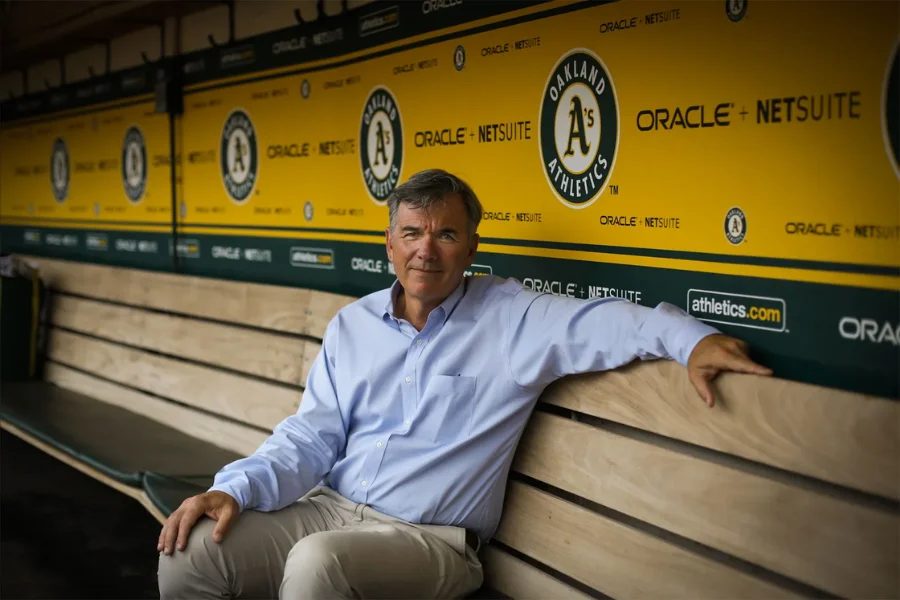
Let’s break this down without the confusing finance talk. Billy never made huge money as a player. His salary during his short MLB career was modest by today’s standards. The real money came later, from his front office work.
As general manager and then executive vice president of the Athletics, he eventually earned a reported salary around $3 million a year. He also picked up a minority ownership stake in the Athletics over time, which adds real value beyond just a paycheck. Outside of baseball, he served on the board of directors for a software company called NetSuite, and that role paid him well before the company was eventually sold. He has also invested in international soccer, holding ownership stakes in English club Barnsley FC and Dutch club AZ Alkmaar.
Add it all together and most financial estimates put his net worth somewhere around $18 to $20 million today. That is a solid fortune, but it is worth pointing out he is not anywhere close to billionaire territory. Owning a piece of a team is different from owning the whole thing, and his wealth came from decades of smart, steady decisions rather than one giant payday.
What He Is Doing Right Now
These days Billy has stepped back from the day to day grind of running a roster. In late 2022 he shifted into a senior advisor role under Athletics owner John Fisher, after seven years serving as executive vice president of baseball operations. He still holds a minority ownership stake in the team, and his fingerprints remain all over the organization’s philosophy even though younger executives now handle the daily decisions.
He still speaks publicly from time to time about analytics, leadership, and decision making, often outside the world of sports entirely, since his ideas have spread into business and management circles. His legacy continues quietly in the background of nearly every front office in professional sports, where data driven thinking is now standard practice instead of a controversial experiment.
Why This Story Still Matters

Billy Beane never became the superstar player everyone predicted. Instead he became something rarer. He proved that a smarter system can beat a richer one. He took an idea that sounded boring on paper, on base percentage and statistical value, and turned it into a cultural moment that reached Hollywood. That is a wild journey for a guy who once looked like just another talented kid who could not quite live up to the hype.
Also read: Michael K Kearney
Frequently Asked Questions
1. Who is Billy Beane?
He is a former Major League Baseball player who became the general manager of the Oakland Athletics and pioneered a statistics based approach to building a baseball team.
2. Where was Billy Beane born?
He was born in Orlando, Florida, on March 29, 1962.
3. What team drafted Billy Beane?
The New York Mets drafted him in the first round of the 1980 MLB Draft.
4. Why is Billy Beane famous?
He earned fame for the “Moneyball” approach, built on stats like on base percentage. It helped him find undervalued players. This let him build a strong team despite a small budget.
5. What is Moneyball?
It is a book written by Michael Lewis in 2003, later turned into a 2011 movie starring Brad Pitt, both based on Billy Beane’s approach to running the Oakland Athletics.
6. Did Billy Beane play in the World Series?
He never played in a World Series for a winning roster as a starter, but he was on the bench for two World Series winning teams, with the Twins in 1987 and the Athletics in 1989.
7. What college did Billy Beane attend?
He studied economics at the University of California, San Diego, after his playing career slowed down.
8. Did Billy Beane turn down a job offer from another team?
Yes. After the 2002 season, the Boston Red Sox offered him a record setting contract to become their general manager, and he turned it down to stay with the Athletics.
9. Does Billy Beane have kids?
Yes. He has a daughter named Casey from his first marriage, plus twins named Brayden and Tinsley with his wife Tara.
10. What is Billy Beane’s net worth?
Most estimates place his net worth around $18 to $20 million as of 2026.
11. Is Billy Beane still working in baseball?
Yes. He currently serves as a senior advisor and minority owner with the Oakland Athletics.
12. What awards has Billy Beane won?
He won the MLB Executive of the Year Award in 2018, plus multiple Sporting News and Baseball America Executive of the Year honors across his career.
Related post: Michael Houston